At Draper Dental, we believe restorative dentistry should restore both the look and the strength of your smile. Ceramic crowns let us rebuild teeth in a way that feels natural, blends with surrounding teeth, and stands up to everyday use. Our goal is to offer clear explanations so you can make confident choices about care.
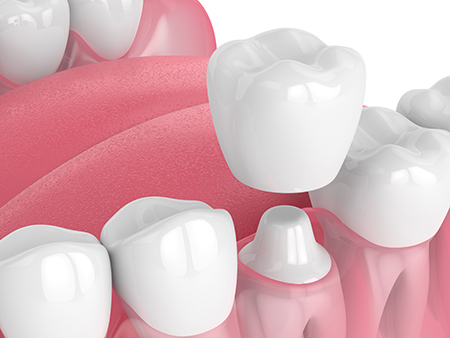
Teeth are remarkably durable, but they are still vulnerable to decay, injury, and wear over time. When a tooth has lost significant structure, a filling may no longer be sufficient to restore its shape and function. That’s when a crown — a custom-made cap that covers the entire visible portion of a tooth — becomes the preferred option.
Modern ceramic materials give us the ability to create crowns that are both strong and highly lifelike. Advances in ceramics, digital design, and milling technologies have made all-ceramic restorations a mainstream choice for many restorative and cosmetic needs, eliminating the need for metal substructures in most cases.
Throughout this page we’ll walk through why a crown might be recommended, what makes ceramic crowns different from older types of restorations, how we select the best material for your tooth, and what you can expect from the treatment process. The aim is practical, straightforward guidance that respects your intelligence without getting unnecessarily technical.
A crown becomes a recommended solution when a tooth needs more support and protection than a filling can provide. Large cavities, a cracked or fractured tooth, or a tooth that has undergone root canal therapy are common scenarios where a full-coverage restoration preserves the remaining structure and prevents further damage.
Crowns are also used to restore implants and to cap the abutment teeth that support a dental bridge. In these roles, the crown must meet both functional demands — such as chewing forces and bite alignment — and visual expectations when it’s in the smile zone.
People who grind or clench their teeth, or who have bite wear and repeated fractures, often benefit from crowns because the restoration reinforces the tooth and distributes forces more predictably. A well-designed crown protects what’s left of the natural tooth and helps avoid future complications.
To rebuild teeth with extensive decay or structural damage
To replace or repair large or broken fillings
To restore dental implants or serve as bridge abutments
To protect teeth after root canal therapy or treat bite-related wear

All-ceramic crowns combine high aesthetic quality with excellent biocompatibility. Unlike restorations that rely on a metal framework, modern ceramics can mimic the subtle ways natural enamel transmits and reflects light, producing a result that looks more alive and tooth-like.
Ceramics are well tolerated by soft tissues, which helps create a natural margin at the gumline and reduces the dark lines that sometimes appear with metal-based restorations. This tissue-friendly behavior is especially important for restorations near the front teeth where appearance and gum health both matter.
Contemporary ceramic materials also offer durability that was difficult to achieve in earlier generations. While strength varies by material type, many ceramic crowns deliver sufficient resilience for molars and can be manufactured thinner, preserving more of your natural tooth and minimizing the need for aggressive preparation.
Highly natural appearance — improved translucency and color matching
Conservative tooth preparation — often less removal of healthy structure
Soft-tissue friendly margins — reduced risk of visible dark lines at the gum
Metal-free composition — a good choice for patients with metal sensitivities
Not all ceramic crowns are identical — some prioritize translucency and fine esthetic detail while others emphasize maximum strength. The tooth’s location, the amount of force it endures, and your smile goals guide the selection. For example, front teeth often call for the most lifelike materials, while back teeth may require ceramics engineered for higher-load situations.
Common choices include lithium disilicate, which balances beauty and strength and is popular for anterior and many posterior crowns; leucite-reinforced ceramics that offer excellent color matching; and various forms of zirconia, including monolithic and high-translucency options suited to different needs. Each material has trade-offs that we discuss with you so the final decision aligns with both function and appearance.
Digital tools play a big role in this process. Intraoral scanning and CAD/CAM design allow us to plan restorations precisely, test how a crown will fit and contact neighboring teeth, and deliver restorations with excellent fit and minimal adjustments. When appropriate, milling technology can provide quick, same-day solutions using proven ceramic blocks.
Lithium disilicate — noted for aesthetics and reliable strength
Leucite-reinforced porcelain — excellent color matching for visible teeth
Monolithic zirconia — high strength for posterior teeth and bruxism cases
High-translucency zirconia — improved aesthetics for select anterior uses

The treatment journey typically begins with a careful evaluation that includes tooth assessment, bite analysis, and shade selection. If a root canal or other preparatory work is necessary, we address that first so your crown has a stable foundation. Our objective is to plan restorations that last while respecting your overall oral health.
Once preparation is complete, we capture precise impressions or scans and use them to design the crown. Laboratory partners or in-office milling units fabricate the restoration, after which we verify fit, contacts, and color. Final cementation secures the crown in place, and we review care instructions so it integrates smoothly into your daily oral hygiene routine.
After treatment, routine dental checkups allow us to monitor the restoration and surrounding tissues. With good oral hygiene and appropriate protection against excessive forces — such as a night guard when grinding is present — ceramic crowns can provide many years of reliable service and preserve the natural tooth beneath.
Our approach blends careful planning, material science, and aesthetic judgment. We focus on selecting a crown that accomplishes three objectives: protect the tooth, restore comfortable function, and produce a natural-looking appearance that complements your smile. Each step is tailored to your needs rather than using a one-size-fits-all solution.
Precision fit and correct occlusion are as important as the crown’s color and translucency. Poor fit or incorrect bite relationships can create problems over time, so we prioritize thorough evaluation and adjustment during delivery. When necessary, we coordinate with dental laboratories to customize shading, surface texture, and final glazing for the best visual outcome.
Strong communication and clear expectations are part of the process. We’ll explain material choices, the anticipated steps of treatment, and practical measures to protect your investment — such as maintaining excellent oral hygiene and scheduling regular professional visits — so you can enjoy both the health and cosmetic benefits of your restoration.
In summary, ceramic crowns offer a versatile and attractive way to restore damaged teeth while preserving natural appearance and protecting oral function. If you’d like to learn more about how a ceramic crown could help your smile, please contact Draper Dental for additional information or to discuss next steps.
While a dental filling is designed to replace a portion of a decayed or damaged tooth, a dental crown offers full coverage to restore the tooth’s entire outer surface. A well-fitting dental crown not only protects and strengthens the underlying tooth structure, but it also restores the tooth’s appearance and function.
The procedure for getting an all-ceramic crown is much like the procedure for getting any other type of crown. In all cases, the tooth needs to be prepared, an impression taken, and a permanent crown cemented into place. A single all-ceramic crown can typically be fabricated over the course of two visits. However, with CAD/CAM technology, a same-day crown can be fabricated from start to finish in a single visit. With the first approach, a temporary crown is typically worn until the second visit, when the permanent restoration is placed. As with every treatment plan, our office will explain your best options in care.
As the name implies, a temporary crown is only worn for a short time until the permanent crown is placed. A temporary crown is typically fabricated from durable tooth-colored dental acrylics. While designed to protect the underlying tooth between appointments, and until your new permanent crown gets placed, a temporary crown is also fabricated to look like a natural tooth and maintain the look of your smile.
While you should feel better having an attractive and functional tooth to restore your smile, your tooth may feel a little sensitive following treatment. This initial sensitivity will subside. We take great care to make sure your new restoration looks great, fits well, and your bite is perfect. However, we’re always happy to make any minor adjustments to ensure your comfort.
With some exceptions, teeth with root canal procedures are typically restored and protected from further damage with a full-coverage crown. Based on what’s best for your smile, our office will recommend the most appropriate restoration to maintain the health and longevity of your tooth following a root canal procedure.
A dental crown is a long-term restoration that, if properly cared for, can serve you well for many years to come. Once your new crown is placed, it requires the same brushing, flossing, and periodic checkups as your natural teeth. Avoid biting your fingernails and chewing on hard or sticky objects such as ice, pencils, or taffy, which can damage or loosen your crown. Remember, clenching and grinding your teeth puts excessive pressure on both natural teeth and dental restorations. Unless treated, this habit can compromise the longevity and integrity of your dental work, including crowns.
Although your new all-ceramic crown restores the tooth's strength, form, and function, you can still develop dental disease in the absence of proper care. To prevent gum disease and tooth decay, it’s essential to brush and floss as instructed and see our office for routine checkups, cleanings, and care.
How long a dental crown lasts depends on various factors, including your level of oral care, diet, and oral habits. While the standard answer is that dental crowns can last anywhere from 5 to 15 years, existing literature confirms that most dental crowns remain in place at 15 to 20 years.
At the office of Draper Dental, we strive to provide the highest quality of care to address all your dental needs. Once we’ve had the opportunity to examine your smile, we can give you a clear picture of any dental issues that are present, along with a quote for how much treatment will be. The cost of dental crowns can vary a little, depending on the type of crown and its location. Our goals are to provide the highest quality of care and help patients begin treatment without additional financial stress or delay. We’re always happy to answer all your questions on dental insurance coverage, available financing, and payment plans.
Coverage for all-ceramic crowns depends on your dental insurance plan. Today, many dental plans provide some level of coverage for all-ceramic crowns. At the office of Draper Dental, we work with patients to optimize their dental benefits and get the care they need to maintain healthy and beautiful smiles!
A ceramic crown is a custom-made restoration that completely covers the visible portion of a damaged or weakened tooth. Made from tooth-colored ceramic materials, these crowns restore the tooth's shape, strength and function. They are designed to match surrounding teeth so the restoration blends naturally with your smile.
After the tooth is prepared, the crown is secured with a dental cement or bonding agent that creates a durable seal. Properly fitted crowns protect the remaining tooth structure from further decay and fracture during normal chewing. Routine evaluations ensure the margin remains healthy and the restoration continues to function as intended.
A ceramic crown is recommended when a tooth has lost substantial structure and a filling would not provide adequate support. Large cavities, a fractured tooth, or a tooth that has had root canal therapy commonly require full-coverage restoration. Crowns are also indicated when existing large or failing restorations need replacement to preserve the remaining tooth.
Crowns are used to restore dental implants and to cap abutment teeth for fixed bridges, where both strength and accurate contours are essential. They help re-establish proper bite relationships and distribute chewing forces more evenly across the tooth. Selecting a crown instead of repeated repairs can reduce the risk of future complications and protect oral health.
Common ceramic materials used for crowns include lithium disilicate, leucite-reinforced porcelains and various forms of zirconia. Lithium disilicate is prized for its balance of strength and translucency, while leucite-reinforced ceramics offer excellent color matching. Zirconia is available in monolithic and high-translucency formulations that range from very strong to more esthetic. Each material involves trade-offs between durability, the ability to mimic natural enamel and the amount of tooth reduction required.
The choice depends on the tooth's position, the patient's bite forces and the esthetic demands of the smile zone. We discuss these factors so the selected material aligns with both functional needs and visual expectations. When appropriate, layering or glazing techniques can further refine appearance without sacrificing necessary strength.
The selection begins with a clinical evaluation of the tooth, adjacent dentition and overall bite to determine functional requirements. Factors such as the tooth's location, the extent of remaining tooth structure and any parafunctional habits guide material selection. Shade matching and translucency needs are considered for teeth in the smile zone to achieve a lifelike result. Digital records and intraoral photos support the decision-making process and improve communication with dental laboratories when needed.
When strength is paramount, a monolithic zirconia option may be favored; when appearance dominates, lithium disilicate or layered ceramics may be chosen. The practice outlines benefits and limitations of each option so patients understand the trade-offs involved in the treatment plan. If in-office milling is appropriate, the design can be refined chairside to balance fit, function and esthetics. Final selection is always tailored to protect the tooth while meeting the patient's goals.
Treatment typically starts with a comprehensive exam, diagnostic imaging and shade selection to plan the restoration. If necessary, preparatory work such as root canal therapy or replacement of failing restorations is completed first to create a stable foundation. The tooth is then shaped to receive the crown, and accurate impressions or digital scans capture the prepared tooth and occlusion. Temporary protection may be provided if a lab-fabricated crown is being made to preserve esthetics and function while the permanent restoration is produced.
Crowns can be fabricated in a dental laboratory or milled in-office using CAD/CAM systems, with fit and contacts verified at delivery. During the try-in, occlusion and appearance are evaluated and any minor adjustments are made before final cementation. Once bonded, care instructions focus on gentle cleaning around the margin and monitoring for any sensitivity or fitting issues. Follow-up visits ensure the restoration remains well integrated with surrounding tissues and the bite remains stable.
Yes; ceramic crowns can be adapted for both anterior and posterior applications by selecting materials that suit each zone. For front teeth, translucency and color reproduction are prioritized to match natural enamel and achieve a seamless appearance. For back teeth, ceramics engineered for higher strength, such as monolithic zirconia, help withstand chewing forces and wear.
In some cases, a layered or veneered approach combines a strong core with an esthetic ceramic overlay to balance durability and appearance. The treatment plan considers tooth preparation, occlusal dynamics and long-term function when deciding the best restorative approach. Your clinician will explain why a particular ceramic is recommended for the specific tooth to meet both functional and esthetic goals.
The longevity of a ceramic crown depends on the selected material, oral hygiene, bite forces and regular professional care. With good home care and periodic evaluations, ceramic restorations can provide many years of reliable service while protecting the underlying tooth. Factors such as bruxism, recurrent decay at the margins or trauma can shorten a restoration's lifespan and are addressed in maintenance planning.
Routine dental checkups at Draper Dental allow the team to monitor crown margins, adjacent gum health and any changes in the bite. Good daily brushing, flossing and avoiding habits that place excessive force on the restoration help extend its service life. When indicated, use of a protective appliance such as a night guard reduces wear from clenching and grinding.
Ceramic crowns can be used in patients who grind their teeth, but material choice and design must account for higher occlusal forces. Monolithic zirconia is often selected for its superior strength when opposing heavy wear or when a patient has a history of fractures. Even the strongest ceramics can chip or fracture under extreme forces, so comprehensive evaluation of the bite is essential before restoring.
Treatment planning frequently includes creating a protective occlusal appliance and adjusting the bite to reduce concentrated stresses on the restoration. In some cases, alternative restorative strategies or staged treatments are used to manage underlying bite issues before finalizing the crown. Regular monitoring helps detect early signs of excessive wear so interventions can be taken to preserve the restoration and natural teeth.
Intraoral scanners replace traditional impression materials by capturing a precise, digital record of the prepared tooth and surrounding dentition. Digital impressions increase patient comfort and reduce the need for retakes while providing highly accurate data for laboratory or in-office fabrication. CAD/CAM software allows the clinician to design contours, contacts and occlusion digitally, improving predictability of fit and function.
When combined with milling or 3D printing, these workflows can produce restorations with excellent marginal fit and consistent esthetic outcomes. Chairside milling systems enable streamlined same-visit workflows when appropriate, while laboratory partnerships may offer additional customization. The digital process also facilitates precise shade communication and documentation for reproducible results.
Maintain thorough daily oral hygiene with brushing and interdental cleaning to prevent decay and gum problems at the crown margins. Use a nonabrasive fluoride toothpaste and gentle technique to preserve the restoration's surface glaze and adjacent enamel. Avoid using teeth as tools and be mindful with very hard or sticky foods that can place undue stress on restorations.
Attend scheduled dental checkups so your clinician can evaluate margins, occlusion and tissue health and address minor issues early. If you notice sensitivity, a change in fit or a chip, contact the practice promptly so the restoration can be assessed and managed. Wearing a protective appliance during sports or a night guard for grinding are common preventive measures recommended when indicated.
Phone:
Email: