Fast, focused care when a dental problem can’t wait
Dental emergencies are stressful and uncomfortable — and they rarely happen at a convenient time. When pain, trauma, or sudden swelling disrupts your day, prompt assessment and treatment can prevent complications and preserve your smile. Our team focuses on quick triage and clear communication so patients understand what’s happening and what to expect next.
Not every urgent dental issue requires the same response. Some problems can be stabilized with simple measures in the chair, while others need more involved treatment to restore function and prevent further damage. The sooner you seek professional attention, the better the chance of saving a tooth and avoiding extended discomfort or infection.
We see a wide variety of urgent oral health concerns and approach each one with the same priority: relieve pain, control infection or bleeding, and protect remaining tooth structure. If you experience sudden tooth pain, a knocked-out tooth, swollen gums, or any oral injury, don’t delay — early care matters.
Common urgent situations include:
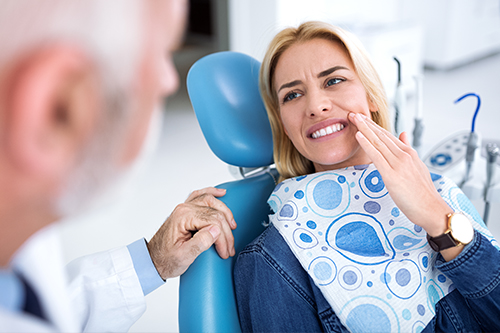
- Severe toothaches or pain that wakes you from sleep
- Chipped, fractured, or knocked-out teeth
- Swelling, abscesses, or signs of infection
- Lost or damaged restorations (fillings, crowns, dentures)
What to do first: practical steps that protect your smile
Taking the right steps immediately after a dental injury can make a significant difference. For a knocked-out permanent tooth, gently rinse the tooth with water if it’s dirty, try not to touch the root, and — if possible — place it back in the socket right away. If replantation isn’t feasible, keep the tooth moist in milk, saline, or your mouth and seek care immediately.
If a tooth is fractured or a restoration is dislodged, save any fragments and bring them with you. Apply a cold compress to reduce facial swelling and use over-the-counter pain relievers as directed to manage discomfort until you can be seen. For bleeding that won’t stop, apply gentle pressure with clean gauze and seek urgent treatment.
Signs of infection — persistent swelling, fever, a bad taste or smell, or severe throbbing pain — should be treated as urgent. Infections can spread and affect general health if left unattended, so prompt evaluation and management are important to protect both oral and systemic well-being.
When in doubt, arrange an evaluation. Our team will help you understand whether self-care is appropriate for the moment or whether immediate clinical intervention is needed to address the problem safely.
How we diagnose and prioritize treatment
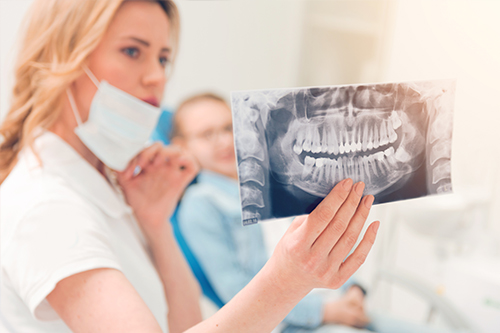
At your emergency visit, we start with a focused assessment to determine the nature and urgency of the issue. That includes a review of symptoms, a clinical exam, and imaging when needed to evaluate the extent of damage or infection. This diagnostic step ensures we recommend the safest and most effective next actions.
Immediate goals are to relieve pain, control any active infection or bleeding, and stabilize the condition. Stabilization can mean placing a temporary restoration, smoothing a rough edge, or providing medication to address infection and inflammation. These measures buy time and protect the tooth until definitive care is provided.
Definitive treatment varies depending on the diagnosis. Small chip repairs may be addressed with bonding or a filling, while more extensive fractures often require crowns or other restorative work to rebuild form and function. When nerve tissue is affected, root canal therapy can preserve the natural tooth by removing infection and sealing the internal space.
In all cases, we explain options clearly and proceed with treatments that prioritize long-term oral health and patient comfort. Our goal is to resolve the immediate problem and establish a plan to restore and protect your smile.
When saving the tooth isn’t possible — modern replacement options
There are times when a tooth cannot be saved despite our best efforts. In those situations, removing the tooth may be the healthiest option to stop pain or infection. While losing a tooth can be unsettling, there are reliable, predictable ways to restore function and appearance.
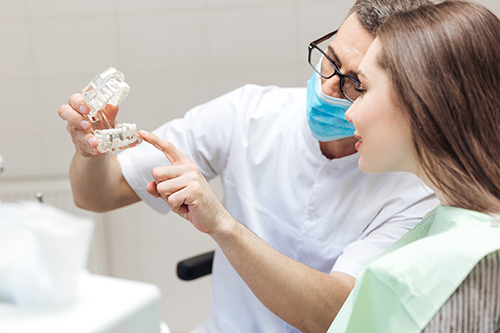
Dental implants, bridges, and removable prostheses are standard approaches for replacing missing teeth. Dental implants are often recommended because they recreate a tooth root, preserving surrounding bone and offering a stable foundation for natural-looking restorations. Bridges and dentures remain excellent options in many cases and can be designed to blend seamlessly with your smile.
Choosing the right solution depends on your overall oral health, the number and position of missing teeth, and your personal goals. After an extraction, we’ll discuss appropriate restorative timelines and the steps needed to rebuild a durable, comfortable replacement that suits your lifestyle.
Regardless of the path you choose, modern materials and techniques allow for replacements that are functional, aesthetically pleasing, and designed for longevity when properly maintained.
Comfort, safety, and what patients can expect during emergency care
Emergency treatment is delivered with patient comfort as a priority. We use local anesthesia and a range of comfort measures to keep procedures as pain-free as possible. If dental anxiety is a concern, discuss it with our team so we can employ approaches that help you feel calm and supported during care.
Safety protocols and infection control are integrated into every visit. We rely on up-to-date diagnostic tools and conservative treatment strategies to preserve healthy tooth structure whenever possible. Communication is central: we’ll walk you through findings, recommended steps, and follow-up care so you can make informed decisions.
After emergency treatment, we provide clear post-care instructions to manage healing and prevent complications. This often includes guidance on oral hygiene, diet, and signs to watch for that would warrant prompt reassessment. Follow-up appointments let us finalize restorative work once the emergency has been resolved.
Our approach is to combine clinical expertise with compassionate care so patients leave feeling safer and more confident about their oral health.
At Draper Dental, we understand how disruptive dental emergencies can be and are prepared to respond with focused, patient-centered care. If you’d like more information about how we handle urgent dental concerns or want to schedule an evaluation, please contact us for details and assistance.